

Performance Management Is Moving from Continuous to Real-Time
Performance management is shifting from continuous to real-time. Here's what's driving it, why most systems aren't ready, and what it means for managers and HR leaders.
On-demand webinar series
Work is changing faster than traditional performance processes can keep up. Explore how HR leaders can connect strategy, manager effectiveness, everyday coaching, and talent intelligence to help their organizations adapt faster and execute with confidence.
Four on-demand sessions
Expert-led conversations
Practical guidance for HR leaders
Session resources included
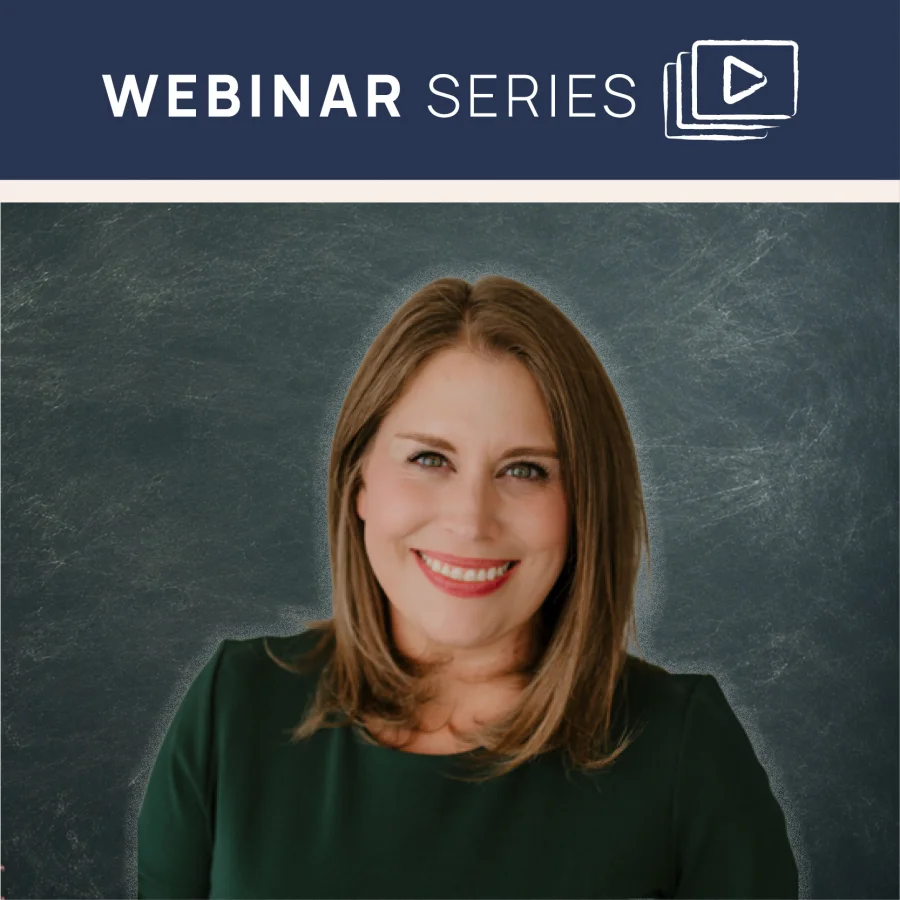
Kim Minnick, Vicki Yang, Erin Daruszka, Kamaria Scott, LeAnne Lagasse, Debra Squyres and Caitlin Collins
Featuring HR executives, organizational psychologists, leadership coaches, and workforce performance experts.
One form, the whole series. We'll also send you the related resources and the companion ebook.
Loading the registration form…
The registration form couldn’t load. Please check your connection and cookie preferences, then try again.
Pick a session below, or start with the one your campaign sent you to. The ebook link opens in a new tab so you never lose your place.
Choose a session
Watch the series in order or go directly to the workforce performance challenge that matters most to your organization.
Fill in the form once and every recording on this page opens.
This recording will be available soon. Your access to the series is saved.
Performance management was designed for a slower, more predictable world. Today, priorities shift quickly, AI is reshaping roles, and leaders need visibility while there is still time to influence an outcome.
Kim Minnick and Vicki Yang explore how leading organizations are moving beyond retrospective reviews to make performance an everyday business capability—one that connects strategy to daily work, gives managers better context, and helps leaders make more confident decisions.
What you’ll learn
Managers are the link between business strategy and day-to-day execution. They align priorities, provide feedback, develop talent, and help employees navigate change—often while working with less time, fewer resources, and increasingly complex teams.
Erin Daruszka and Kamaria Scott examine why manager effectiveness has become a critical business lever and how HR can equip managers with better practices, smarter workflows, and the context they need to lead with confidence.
What you’ll learn
Most organizations understand the value of coaching. The harder challenge is creating the conditions that make meaningful coaching happen consistently.
LeAnne Lagasse explores how HR can move beyond one-time training and help managers build sustainable habits for creating clarity, providing feedback, and developing their teams. Learn how to embed coaching into everyday work without adding another initiative to an already crowded manager workload.
What you’ll learn
Organizations have more workforce data than ever, yet many leaders still cannot see where capabilities exist, who is ready for greater responsibility, or how talent should be deployed as priorities change.
Debra Squyres and Caitlin Collins explore how connected performance, skills, coaching, and workforce signals can become actionable talent intelligence—helping leaders improve workforce planning, development, mobility, succession, and business execution.
What you’ll learn
Related Resources
Choose the next step that is most useful to you.
Performance management is shifting from continuous to real-time. Here's what's driving it, why most systems aren't ready, and what it means for managers and HR leaders.
Annual reviews were built for a slower world. See why performance management is shifting from episodic reviews to continuous, real-time, evidence-based decisions.
Performance-first management refocuses organizations on business outcomes. Learn why sustainable performance also depends on skills, manager coaching, continuous feedback, and employee growth.
Learn what mid-year performance reviews reveal about stale goals, manager burnout, calibration, skills gaps, and succession risk—and what HR should fix before year-end.
Related Resources
Choose the next step that is most useful to you.
AI isn't eliminating management, it's changing what the job is for. Here's why the best managers are becoming orchestrators of human and AI performance.
AI gives managers better data, faster context, and fewer blind spots. But the judgment call still belongs to the manager. Here's where the line sits, and why it matters for business outcomes.
Manager effectiveness is the hidden failure point in performance management. Learn how AI-native, continuous performance management software closes the gap in 2026.
Related Resources
Choose the next step that is most useful to you.
Learn how Betterworks uses conversational intelligence to turn 1:1 conversations into performance insights, action items, goal context, and better coaching.
Related Resources
Choose the next step that is most useful to you.
New research from 512 HR leaders exposes the gap between workforce confidence and skills intelligence — and the real cost of incomplete talent data in 2026.
The employee skills gap isn't always about missing talent. Learn how skills visibility and talent deployment can help organizations close workforce gaps.
Talent density is moving from a Netflix concept to a board-level business priority. Here's what the analyst research says, why traditional performance management can't build it, and what it actually takes to increase the concentration of high-quality skills and execution across your organization.
AI's biggest opportunity in performance management isn't faster reviews. It's better data. Here's why connected performance signals now decide who wins.
Ready to get started?
Tell us a little about your organisation and priorities. A Betterworks expert will be in touch to continue the conversation.