I didn’t accept that I was gay until the age of 20. “Gay” was not something that was talked about much when I was at school or university, other than as a word to be used as an insult. And my religious upbringing had drummed into me how wrong any feelings of attraction were.At this time, there were not the internet resources available to me that today are much more commonplace. Representation of gay men in the ’80s and ’90s on TV and in film was also very negative. They were either highly effeminate comedians whose sexuality was seen as something to laugh at, or men filled with internal demons who would often end up dying by suicide rather than facing up to being gay — neither of which felt anything like me.While I had a very supportive family and a great group of friends, it was a very scary time. I’d often feel that those around me could not understand me. And I’d feel that I was alone and different from everyone else. I lived in a smaller town, where there were only a few openly gay people, who also seemed very different to me and not people I wanted to associate with.I started to become much more isolated and even found moments of real despair and depression — a feeling like life was going to be harder for me than it was for all of my friends. I would never be married and likely would spend the rest of my life alone.Attending Pride in London in the early 2000s was one of the moments that had a powerful, positive impact on my life. Suddenly, I found that I was not alone but in a massive group that was so incredibly diverse. I was no longer feeling like being gay meant you had to be just one stereotype — being gay was just a small segment of these people’s lives. There were doctors and soldiers and police officers; there were choirs and sports teams and ramblers.And these people were happy and celebrating the fact that they were gay — they saw it as a positive part of their life, and they were proud to be who they were.That’s how I should be living my life, too.Attending Pride, networking and making gay friends, and learning how to be proud of myself was a pivotal piece of my journey to acceptance and celebration. When I look at the statistics around how many young people take their lives in part due to their sexuality, I have to ask the question: In another world, without the impact of Pride and those around me, could I have been just another number? A scary thought!And as I’m about to celebrate my 10-year wedding anniversary, I look back and say “thank you” to all those people who have paved the way to this exceptionally happy life, who have fought to change the world into being more accepting of the strength of diversity, and who continue to remind people like me that they are not alone.That’s why Pride is so important to me.
Betterworks News
Betterworks Profiles in Pride: Bruce Walcroft
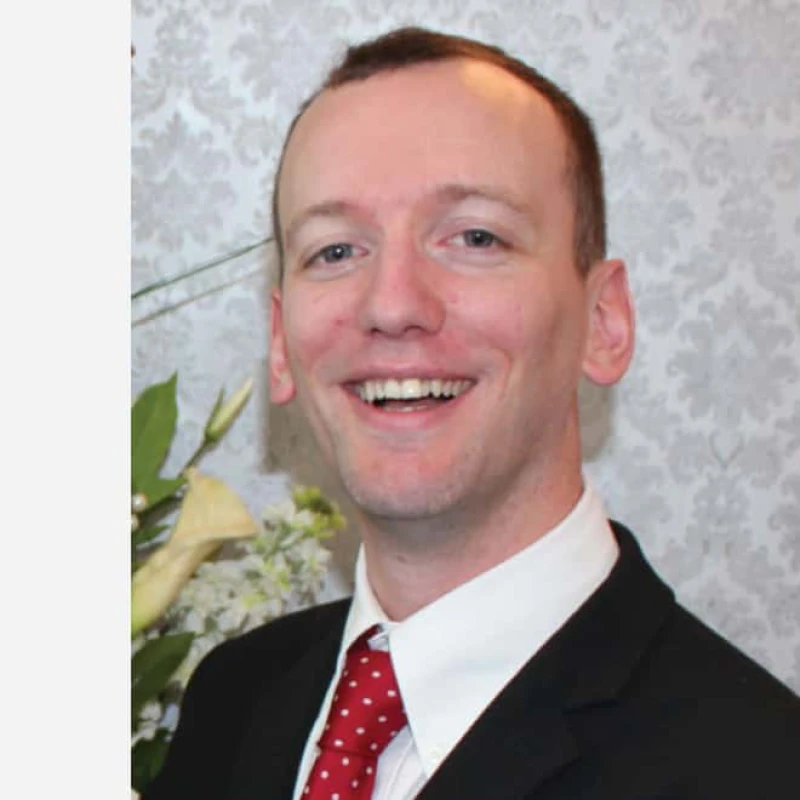
During Pride Month in June, Betterworks is highlighting employees who want to share their personal stories. This essay is from Bruce Walcroft.
Bruce Walcroft
3 min read
Related articles
Go deeper on Betterworks News
Betterworks News
Betterworks Named Performance Platform of the Year in the Inaugural HR Tech Breakthrough Awards
Betterworks earns inaugural HR Tech Breakthrough recognition for redefining performance management through AI-powered Performance Intelligence.
Read more
Betterworks News
Betterworks Named Overall Performance Management Company of the Year by RemoteTech Breakthrough
Betterworks earned recognition in the 2026 RemoteTech Breakthrough Awards for helping organizations turn performance into better talent decisions, stronger execution, and business impact.
Read more
Betterworks News
Betterworks Recognized on TIME’s List of America’s Top WorkTech Companies 2026
Betterworks has been named to TIME’s inaugural list of America’s Top WorkTech Companies 2026, recognizing organizations that are shaping the future of work.
Read more