Recognition reflects a larger shift in how organizations manage performance, talent, and execution
For years, the conversation about remote work centered on location.
How do employees stay connected? How do teams collaborate? How do organizations maintain productivity when work happens across offices, homes, customer sites, and everywhere in between?
Those questions helped organizations navigate a major workplace shift. Today, attention is increasingly focused on a new set of challenges.
As distributed work becomes a permanent part of how organizations operate, leaders are looking for better ways to maintain alignment, accountability, development, and performance across teams.
The question HR leaders are asking now is different:
How do you maintain alignment, accountability, development, and performance when work happens everywhere?
That’s why we’re honored to be recognized in the 2026 RemoteTech Breakthrough Awards.
While early workplace technologies focused on helping people communicate, today’s most important technologies help organizations execute.
And execution starts with performance.
The Next Challenge of Modern Work
Most organizations have solved connectivity, and while that remains important, organizations are now focused on creating greater clarity around priorities, performance, and workforce capability.
Leaders need confidence that teams are aligned to strategic objectives and capable of adapting as priorities change.
Yet many organizations are still relying on performance management approaches designed for a different era.
Annual reviews. Fragmented feedback. Disconnected workforce data.
These systems document performance after the fact rather than helping organizations understand what is happening now.
As work becomes more dynamic, those blind spots become more costly.
Performance Has Become a Business Engine
Performance management plays an increasingly important role in how organizations execute strategy. As priorities shift faster and workforce decisions become more consequential, performance data has become a critical source of business insight.
In today’s environment, leaders are being asked to move faster, make better talent decisions, and adapt continuously to changing business conditions. That requires more than periodic reviews and historical data.
It requires real-time visibility into performance, skills, workforce capability, and progress against business priorities.
That’s why leading organizations are rethinking performance management as a business execution engine rather than an administrative process.
The goal is to create a real-time understanding of how work is progressing, where skills are emerging, and where leaders can support growth, alignment, and execution.
Creating a Connected View of Work, Talent, and Performance
At Betterworks, we’ve spent the last year expanding our platform to help organizations move beyond traditional performance management.
Our vision is straightforward:
Give leaders the intelligence they need to align work to business priorities, understand workforce capability, and make better talent decisions.
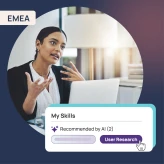
By connecting goals, feedback, manager conversations, skills, and talent intelligence, organizations gain a clearer picture of how performance is evolving and where intervention is needed.
Whether employees work remotely, in the office, or somewhere in between, the challenge is ultimately the same.
Organizations need a shared system that connects people, performance, and business outcomes.
What This Recognition Represents
Being recognized by RemoteTech Breakthrough is meaningful because it reflects a larger transformation happening across the market.
As organizations continue to adapt to new ways of working, attention is increasingly shifting toward how teams stay aligned, develop talent, and execute against business priorities.
Performance plays a central role in each of those outcomes.
Organizations need performance practices that stay connected to the work being done every day. Continuous feedback, aligned goals, workforce insights, and stronger manager conversations help leaders make more informed decisions and respond more effectively as priorities evolve.