Shifting to a skills-based organization offers a way to future-proof your workforce, but it requires more than just identifying skills gaps. To succeed, you need to create a foundation of trust, equity, and transparency that supports both employees and managers. Without these elements, employees may hesitate to engage in the process or doubt its fairness.
This isn’t just a hypothetical issue — 47% of employees feel that growth opportunities are not fairly distributed across the organization, according to recent research from Lighthouse Research and Advisory. This perception undermines trust and leads to disengagement and turnover, making it nearly impossible to build a strong, skills-focused workforce.
“You have to get the employees to trust that you are fair and equitable in the way that you work, and that means you have to put a lot of thought into the earlier steps in your performance activities,” said Bruce Walcroft, principal solutions engineer at Betterworks, during a recent webinar, “Fuel Organizational Growth with Skills-Focused Performance Management & Succession Planning.” To move forward, you need a process that’s transparent, consistent, and focused on empowering your team.
Here are three foundational elements of a skills-based organization, and how to adapt them to drive future success.

Clear guidance for growth: A foundation for employee trust
For a skills-based approach to succeed, both managers and employees need to understand what skills matter the most, and why. “Most employees feel they lack clear guidance on the skills their organizations want them to develop,” said Cheryl Johnson, chief product and technology officer at Betterworks, during the webinar. “They also feel under-supported by their managers.” Without this clarity, managers won’t know how to develop their teams. Employees may feel directionless or undervalued — undermining the process before it even begins. The Lighthouse Research & Advisory study underscores this gap: While nine out of 10 companies say they have a plan for future readiness, only 16% of employees strongly agree that their employer invests the resources to grow skills for future success.
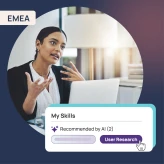
To overcome this gap, start by defining the skills your organization needs to thrive. Tie these to long-term goals and communicate them consistently through tools like skill assessments, goal-setting templates, or AI-driven suggestions. For example, Betterworks’ platform uses performance data and AI to recommend specific goals, ensuring employees have a clear path for growth.
Regular conversations are key. Managers should discuss skills during check-ins and performance reviews, not just during annual evaluations. These interactions help employees see how their efforts align with organizational goals and build trust that their growth is a priority.
Continuous feedback: The backbone of a skills-based organization
Building skills conversations into continuous performance management opens the door to transforming how you track and manage skills. “We believe the next evolution of performance management is the integration of skills into your existing processes,” Cheryl said. But without ongoing conversations and feedback, it’s nearly impossible to maintain an accurate understanding of your workforce’s capabilities or address evolving skills needs.
A continuous approach ensures your skills inventory stays up to date. By regularly collecting data through manager-employee conversations, feedback loops, and performance check-ins, you create a dynamic view of your team’s strengths and gaps. This makes it easier to identify opportunities for development, align employee growth with organizational goals, and address potential skills shortages before they become critical.
Tools like Betterworks make this process seamless by enabling employees to update their skills in real time and initiate discussions about their development. Managers, in turn, can use these insights to guide employees more effectively, ensuring that skills development remains an ongoing priority — not just a once-a-year focus.
This consistent feedback process also builds the trust and transparency necessary for employees to fully engage with a skills-based strategy. When they see their efforts recognized and their skills valued, they’re more likely to invest in their own development and contribute to organizational success.
Calibration: Ensuring fairness and trust in talent decisions
A skills-based organization requires employees to trust that their performance and skills are being evaluated fairly. A modern calibration process involves reviewing performance and skill evaluations across teams. “That calibration process, in this new skills world, is so critical,” Bruce said. “That’s the only way that employees will believe the company’s being fair and, therefore, trust them when it comes to career development and succession planning processes.”
Use tools to establish clear criteria and remove bias from evaluations. For example, Betterworks’ calibration tools allow you to compare performance data across employees and ensure consistency in assessments. Transparency in how these evaluations are conducted builds trust in the system, making employees more likely to engage with skills-based development.
Calibration is also essential for succession planning. Employees need to see that promotions and leadership opportunities are based on skill and potential — not favoritism or guesswork. When evaluations are fair and data-driven, employees feel confident their efforts will be rewarded.
Lay the groundwork first, and you’ll build a stronger, more agile organization — one where every employee sees a clear path to their future and the company’s success.
Want to learn more? Catch the replay on demand!