Key Takeways
-
Most talent decisions today are built manually from fragmented data — slowing down calibration, weakening succession planning, and increasing subjectivity.
-
A unified talent profile replaces disconnected systems with a single, trusted view of performance, skills, and growth — giving leaders decision-ready context in real time.
-
Skills data is only useful when grounded in actual work signals — not static, self-reported inputs — combining AI inference with manager validation.
-
Performance-powered talent intelligence improves both speed and confidence — enabling more consistent, defensible decisions across calibration, internal mobility, and workforce planning.
When an employee is flagged for promotion, discussed as a successor for a critical role, or evaluated during a reorganization, most organizations still assemble the story by hand.
A leader pulls a performance review. HR checks an HRIS record. A manager adds context from memory. Someone references a spreadsheet with skills data. Someone else forwards old notes from calibration. By the time the group reaches a decision, the context is incomplete, inconsistent, and already debatable.
This is the operational problem behind many talent decisions today. Performance reviews tell only part of the story. Skills data is often static or self-reported. Managers and HR teams spend too much time reconciling information manually. The result is slower decisions, lower confidence, more subjectivity, and more risk.
That is exactly why Betterworks is introducing Talent Intelligence, powered by performance our 2026 Spring Release. At the center of that story is Unified Talent Profile: the data foundation for better talent decisions.
What is a Unified Talent Profile?
A Unified Talent Profile is a dynamic, trusted view of each employee that brings together performance history, achievements, strengths, areas for development, AI-generated performance summary, AI-inferred and manager-verified skills, certifications, education, historical data, and growth interests in one place.
In Betterworks, that profile is grounded in actual work signals, not static fields alone. It gives leaders a real-time view of performance, capability, and readiness so they can make more confident decisions on development, deployment, mobility, calibration, and succession.
That definition matters. This is not just a cleaner employee record. It is a shift from fragmented talent data to a unified understanding of the workforce.

Why fragmented talent data breaks talent decisions
Most organizations do have employee data. What they do not have is a shared, current, decision-ready understanding of talent.
That gap is becoming more expensive. The World Economic Forum reports that skill gaps are the top barrier to business transformation, cited by 63% of employers in its 2025 Future of Jobs research. SHRM also reports that 37% of CHROs say developing succession plans across the organization remains a significant challenge.
In other words, leaders are under pressure to move faster on talent decisions at the same time workforce complexity is increasing.
This is where fragmented systems break down. If performance lives in one place, skills in another, career aspirations somewhere else, and manager context mostly in memory, every decision becomes a reconciliation exercise. That slows down calibration. It weakens succession discussions. It creates uneven standards across teams. It leaves too much room for recency bias, politics, and whoever has the strongest voice in the room.
Betterworks’ release addresses that directly: talent intelligence should be dynamic, performance-powered, unified, and actionable.

Why dynamic, performance-powered profiles change the game
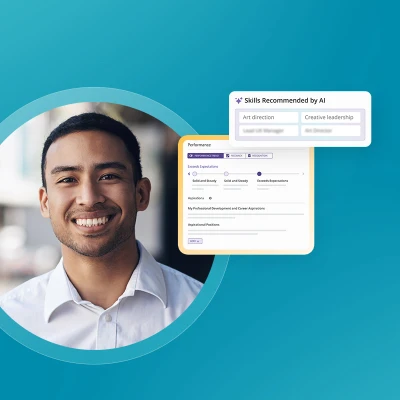
Betterworks Unified Talent Profile gives leaders a real-time view of performance, capability, and readiness grounded in actual work. That includes an AI Performance Summary focused on achievements, strengths, and areas for development, plus skills that are pre-populated and continuously evolve based on employee execution and feedback. Managers can verify AI-inferred skills, and certifications, education, and historical data can live alongside performance and skills context. The profile is also configurable to incorporate additional talent data points from other sources.
That matters because the quality of a talent decision depends on the quality of the context available in the moment of decision.
A dynamic, performance-powered profile changes three things:
First, it improves trust. Skills are reinforced by real performance signals, not self-report alone. Betterworks explicitly positions this as trusted skills intelligence grounded in goals, feedback, conversations, outcomes, and other work signals.
Second, it reduces manual work. Instead of building a case across spreadsheets, exports, and notes, HR and managers start from a current shared record. The profile becomes the consistent reference point.
Third, it makes talent intelligence usable. The point is not to create a richer destination page. The point is to make better decisions inside the workflows where those decisions happen.
How is this different from an HRIS profile?
An HRIS profile is a system of record. A Unified Talent Profile is a system of understanding.
HRIS data is essential. It stores foundational employee information such as job title, reporting structure, location, payroll-related fields, and core employment records. But it does not tell leaders enough about how someone is performing, what capabilities they are demonstrating, how their skills are evolving, or whether they are ready for a bigger role.
Betterworks Unified Talent Profile is designed for those questions. It connects performance and skills data to talent decisions. It surfaces evidence, not just attributes. It reflects actual work, not just administrative status. And it is built to support calibration, succession planning, development planning, internal mobility, deployment, and reorg decisions.
That distinction is strategic. HR systems of record are necessary. They are not sufficient.
Why this matters for calibration, succession, and internal mobility
This is where the product story becomes operational.
In calibration, leaders need a shared view of performance, potential, and capability that is current and consistent across teams. Betterworks brings Unified Talent Profile data directly into calibration workflows so leaders are not working from retrospective summaries alone. The goal is faster, more consistent, and more defensible decisions with less manual administration.
In succession planning, leaders need to identify ready-now and ready-soon talent with more rigor. Betterworks connects dynamic talent profiles to succession workflows so readiness, fit, strengths, and development gaps are visible in context. That helps leaders move from vague succession slates to clearer pipelines for critical roles.
In internal mobility, leaders need more than job history and manager opinion. They need a current understanding of what people can do, where they can grow next, and how that aligns to business priorities. Betterworks positions Unified Talent Profile and Skills Intelligence together to support smarter decisions on deployment, development, and mobility.
This is increasingly important because internal mobility is not just a retention play. It is a capability strategy. 2025 workforce research argues that stalled internal career growth is part of a broader talent-retention problem, and its published commentary says organizations offering internal mobility opportunities report stronger engagement and retention outcomes.
Why this is infrastructure, not interface
The most important point for buyers is this: Unified Talent Profile is not “just a profile.”
It is the infrastructure layer connecting goals, feedback, 1:1s, conversations, performance, calibration, succession, and workforce insights into one system. Betterworks’ own launch materials describe the profile as the foundation of its Talent Intelligence package and the point where performance, skills, history, and potential come together into a unified and actionable talent view.
That is the difference between having more talent data and having a usable talent intelligence system.
A static profile helps you look up an employee. A unified, performance-powered profile helps you make a decision.

Closing
For CHROs, Heads of Talent, and HR leaders under pressure to improve People ROI, the issue is no longer whether more talent data exists. It does. The issue is whether that data can be trusted, connected, and used in the moments that matter most.
Betterworks Unified Talent Profile is built for that moment. It gives leaders a dynamic, evidence-based understanding of the workforce and turns that understanding into stronger calibration, succession, mobility, and development decisions. That is the promise of Talent Intelligence, powered by performance, and it is arriving now.
See Betterworks in action to understand how Unified Talent Profile can become the foundation for faster, more consistent, and more defensible talent decisions.
Book a Demo